PREREQUISITE
It is highly encouraged (but not required) to complete an introductory US History course, equivalent to Next Level’s US History Series, to help provide context and framing for the systems of government we study in this course.
CLASS DESCRIPTION
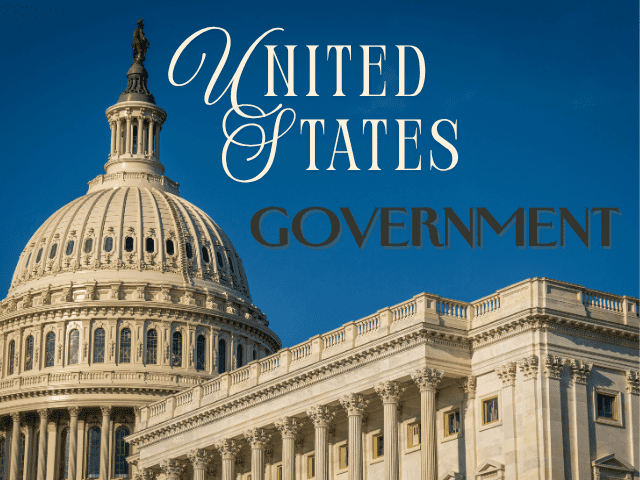
US Government is a twelve week civics-based course geared toward students ages 12 and older who are looking to understand and interact with the basics of the United States’ government system. During this class, students will learn about the origins of the federal government, the different branches of government and how they interact with each other, the practical workings of politics, and the state and local levels of government. Having background US history knowledge will help students understand the context surrounding the origins, branches, and practices of government covered in this class, but most students 12 and up can benefit from the material presented in this class.
CLASS FORMAT
No live classes—view lessons on YOUR schedule. In general, expect 1.5-2.5 hours to work through the lesson plan each week, and an additional 2-5 hours working on assignments (it really depends what assignment your child chooses to do and how they manage their time).
Each lesson consists of a fully narrated PowerPoint presentation with images and videos to enhance the topics. Students will have access to our learning management system, Canvas, for viewing their lesson, printing worksheets, taking quizzes, viewing/submitting assignments, participating in discussions, and viewing grades/feedback.
Week 1: Introduction to Government
The first week of the course provides the student with a foundation to build upon over the rest of the class. We will cover the reasons for having a government, the types of government in use across the world and historically, and introduce the concept of democracy as it operates in the United States.
Week 2: The Building Blocks of US Government
After obtaining an understanding of government in general, we begin focusing specifically on the government of the United States in week two. This week is dedicated to learning about the origins of the federal government. The beginnings of government in the eighteenth century, the early documents and ideas about the way it should work, and the first steps towards the Constitution take center stage.
Week 3: The Constitution
The third week of the class is focused entirely on the foundational document of the federal government: the Constitution. This document acts as “the law of the land.” The Constitution and its amendments provide the basis for the United States’ government at federal, state, and local levels. Students will learn about the Constitution and its applications.
Week 4: Federalism
Now that students have a foundational understanding of the government and its centerpiece document, students will learn about the political philosophy that guides its workings: federalism. Federalism operates on the idea that federal government power should be checked by smaller, regional governments, providing the basis for the argument between federal rights and states rights. In this week’s lesson, students will learn about the debates surrounding federalism, both historically and in the present, and how this philosophy has been applied to the government over the years.
Week 5: The Legislative Branch
Week 5 marks the beginning of our look into the branches of government and the checks and balances that define these branches. We begin with the legislative branch, also known as Congress. Students will learn about the bicameral system and the two houses in that system, the powers that Congress has, and the process of creating bills and laws.
Week 6: The President
The executive branch of the government takes up two weeks of this course, beginning with a look into the presidency. This week consists primarily of a look into the presidency, the powers that the president has, and how those powers have changed over time.
Week 7: The Executive Branch
While the president resides at the head of the executive branch, there are many working pieces beneath him that make the executive branch function. During week 7, students will learn how the executive branch operates within the government and the different departments and agencies under the president.
Week 8: The Judicial Branch
Week 8 concludes our look into the branches of government with an overview of the judicial branch. This system of courts oversees and enforces the laws and actions of the other two branches of government. This week is dedicated to studying the Supreme Court, as well as the lower courts in the land.
Week 9: The Electoral Process
With an understanding of the foundations of the federal government and the branches that comprise it, students will begin learning about the practical applications of politics. Week 9’s lesson shows students how the election process works in the United States. Students will gain an understanding of the ways in which politicians sway public opinion, review political parties and interest groups that help candidates get elected, and dive into the electoral system.
Week 10: Civil Liberties
Civil liberties are the basic, uninfringeable rights that guarantee many protections for citizens in the United States, such as freedoms of speech and religion. In week 10, students will learn about civil liberties, how they are protected, and what happens when they are infringed upon.
Week 11: Civil Rights
Sometimes, some groups have their civil liberties threatened due to being within a certain racial, ethnic, religious, gender, or other type of group. In cases of discrimination, these groups have had to fight for their civil rights. This week’s lesson focuses on the outcomes of civil rights movements and the laws that worked towards protecting their rights and ensuring equality. Students will also learn about the process of gaining citizenship for immigrants.
Week 12: State and Local Governments
Up until the final week of the class, we primarily study the origins, functions, and practices of the federal government. In week 12, students will learn about the systems of government that impact them most directly at state and local levels.