This class is part of the Classic Literature Series
This series is intended for students at a high school reading level.
These classes are offered sporadically and are not intended to be taken in any order.
Other classes in this series include:
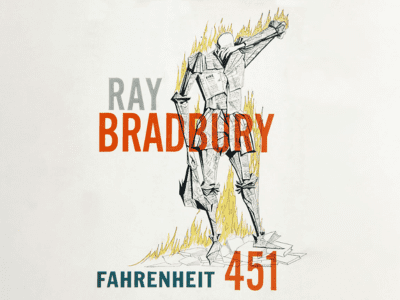
Fahrenheit 451
Frankenstein
Lord of the Flies
Their Eyes Were Watching God
CLASS DESCRIPTION
Why should we read literature? Of what value is literature? What power can literature hold? Reading great literature exercises our imaginations. It transports us out of our present and into other ages and places. It enables us to see the world through other’s eyes and understand other perspectives. Reading literature helps us to know ourselves—to understand man.
A book may be considered great for three main reasons: It is universal—affecting, inspiring, and changing readers, no matter the time or place; second, it has a central idea and theme, address matters of enduring importance; and third, a great book is written in noble language that enriches the mind and elevates the soul.
In this classic literature series, each course will focus on one novel considered to be classic literature—a novel accepted as being exemplary or noteworthy. This particular course will focus on the 1945 novella by George Orwell: Animal Farm. Animal Farm is an allegorical novella that tells the story of a group of farm animals who rebel against their human farmer, hoping to create a society where they can be equal, free, and happy, and it shows the progression from revolution
against tyranny to a totalitarian situation just as terrible.
This 4-week course will focus heavily on reading, and a full copy of the novel will be provided in both pdf and audiobook format. Although, students may also purchase their own copies or borrow one from their local library. Student may either read the full text before the class begins, or their will be weekly reading assignments during the course.
CLASS FORMAT
No live classes—view lessons on YOUR schedule. In general, expect 1.5-2.5 hours to work through the lesson plan each week, and an additional 2-5 hours working on assignments (it really depends what assignment your child chooses to do and how they manage their time). For classes with two levels, the material is the same for both—the depth of the assignments differs. Younger students should usually be placed in Level 1. Older students, or younger students who want more of a challenge, should be placed in Level 2.
Each lesson consists of a fully narrated PowerPoint presentation with images and videos to enhance the topics. Students will have access to our learning management system, Canvas, for viewing their lesson, printing worksheets, taking quizzes, viewing/submitting assignments, participating in discussions, and viewing grades/feedback.